
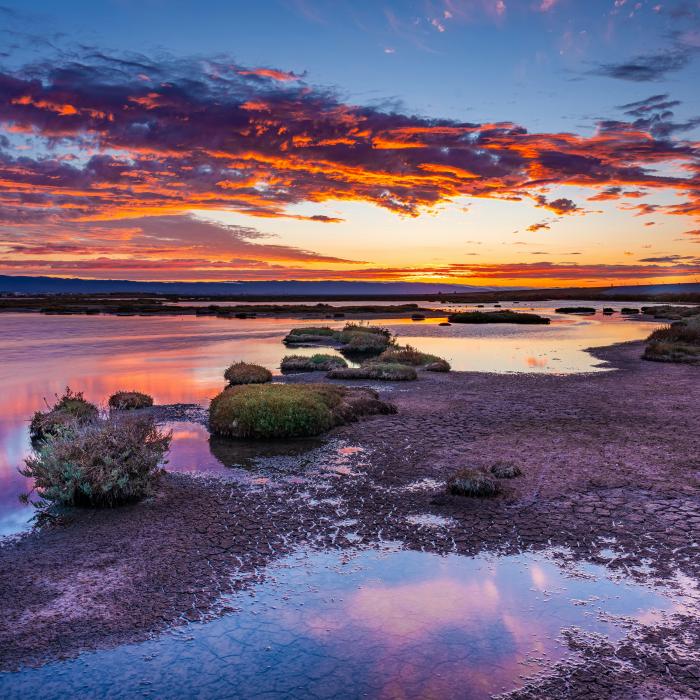
Since 1986, the North American Waterfowl Management Plan (NAWMP) has guided waterfowl conservation across Canada, the United States, and Mexico. It's a partnership of nations, agencies, tribes, and everyday people, including hunters, birders, farmers, and scientists, working toward a shared goal: thriving waterfowl populations and the wetland habitats they depend on.
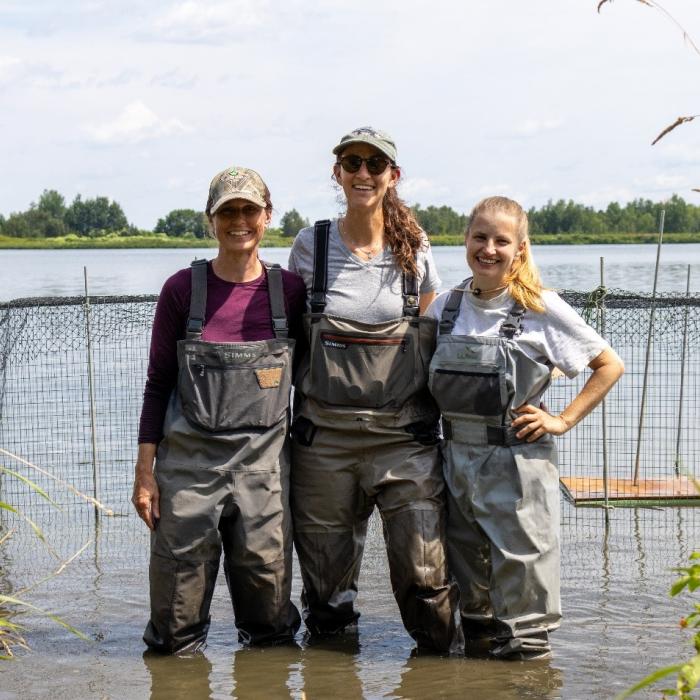
The 2024 Plan Update, signed by all three nations, reflects four decades of learning. It sharpens conservation strategies, responds to new science, and keeps the partnership focused on its three fundamental goals: abundant waterfowl populations, sufficient habitat, and a growing community of people who support conservation.
THE PARTNERSHIP
Built on International Cooperation
NAWMP has always been bigger than any one agency or nation. Launched in 1986 by Canada and the United States, with Mexico joining in 1994, the Plan brings together federal and state agencies, tribal nations, provincial governments, conservation nonprofits, and non-governmental organizations (NGOs) — all working toward shared goals across every major flyway. Explore the history of how the Plan has grown and evolved over four decades.
-
1986 – Canada and the United States launch the Plan, committing to continental-scale waterfowl conservation for the first time.
-
1994 – Mexico joins the partnership, extending the framework from the Arctic to the tropics.
-
1998 – The Plan broadens its vision to recognize the full range of conservation benefits healthy wetlands provide.
-
2004 – A renewed focus on science strengthens the biological foundation of the Plan.
-
2012 – A major revision, the most comprehensive since 1986, modernizes the Plan to address habitat loss, climate, and changing landscapes.
-
2024 – All three nations sign the latest update, sharpening strategies and reaffirming the partnership's shared commitment.

Since 1986, NAWMP has helped waterfowl populations rebound across the continent and protected and restored millions of acres of wetland habitat. But the benefits extend well beyond waterfowl. Healthy wetlands filter water, reduce flooding, store carbon, and create outdoor spaces that hunters, anglers, birders, and communities depend on. The conservation of waterfowl and wetlands, as the 2024 Plan Update puts it, safeguards biological diversity overall.
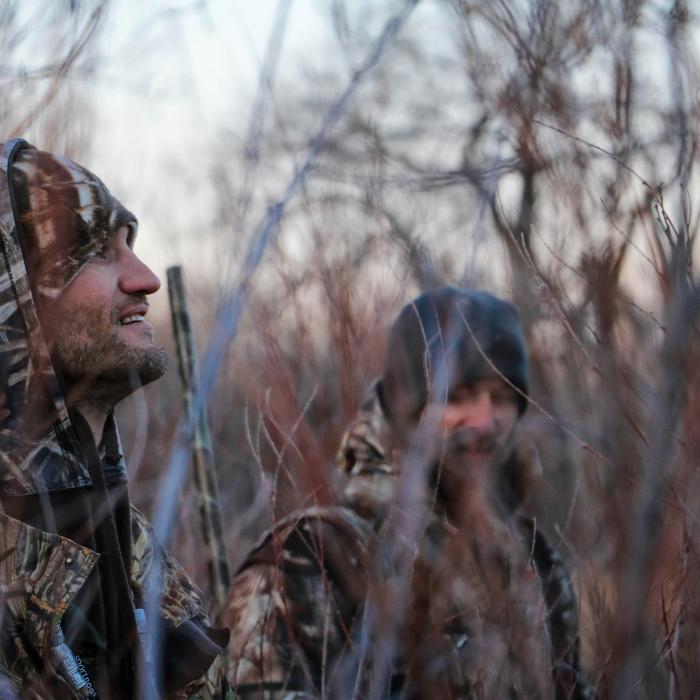
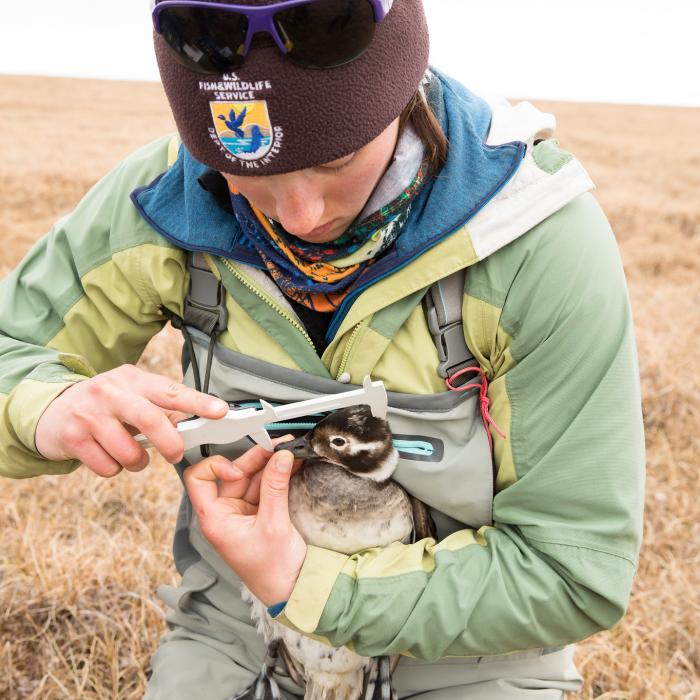
The Plan doesn't operate on assumptions. Every update draws on the best available science, surveys of waterfowl professionals, and input from hunters, birders, farmers, and the public across all three nations. It's how a framework signed in 1986 stays relevant and effective today.
