

Desde 1986, el Plan de Manejo de Aves Acuáticas de Norteamérica (NAWMP, por sus siglas en inglés) ha guiado la conservación de las aves acuáticas en Canadá, Estados Unidos y México. Es una asociación entre naciones, agencias, pueblos originarios y personas comunes, incluyendo cazadores, observadores de aves, agricultores y científicos, que trabajan con un objetivo común: mantener poblaciones de aves acuáticas saludables y los humedales de los que dependen.
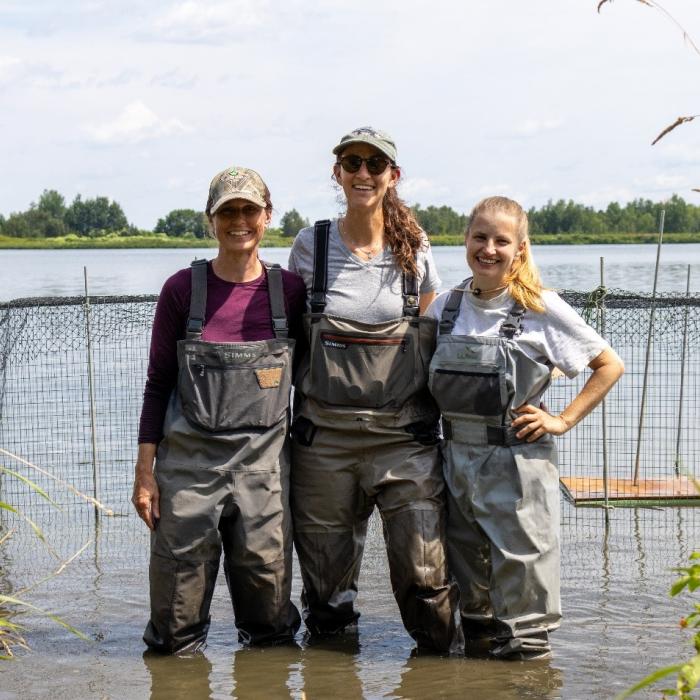
La Actualización del Plan 2024, firmada por las tres naciones, refleja cuatro décadas de aprendizaje. Refuerza las estrategias de conservación, responde a la nueva ciencia y mantiene a la asociación enfocada en sus tres objetivos fundamentales: poblaciones abundantes de aves acuáticas, hábitat suficiente y una comunidad creciente de personas que apoyan la conservación.
LA ASOCIACIÓN
Construida sobre la Cooperación Internacional
El NAWMP siempre ha sido más grande que cualquier agencia o nación individual. Lanzado en 1986 por Canadá y Estados Unidos, con la adhesión de México en 1994, el Plan reúne a agencias federales y estatales, naciones tribales, gobiernos provinciales, organizaciones sin fines de lucro de conservación y organizaciones no gubernamentales (ONG) — todos trabajando hacia metas compartidas en cada ruta migratoria principal. Explora la historia de cómo el Plan ha crecido y evolucionado durante cuatro décadas.
-
1986 – Canadá y Estados Unidos ponen en marcha el Plan, comprometiéndose por primera vez con la conservación de las aves acuáticas a escala continental.
-
1994 – México se une a la alianza, ampliando el marco de acción desde el Ártico hasta los trópicos.
-
1998 – El Plan amplía su visión para reconocer toda la gama de beneficios de conservación que ofrecen los humedales saludables.
-
2004 – Un enfoque renovado en la ciencia fortalece la base biológica del Plan.
-
2012 – Una revisión de gran alcance, la más completa desde 1986, moderniza el Plan para abordar la pérdida de hábitat, el cambio climático y las transformaciones del paisaje.
-
2024 – Las tres naciones firman la actualización más reciente, afinando las estrategias y reafirmando el compromiso compartido de la alianza.

Desde 1986, NAWMP ha ayudado a que las poblaciones de aves acuáticas se recuperen en todo el continente y ha protegido y restaurado millones de acres de hábitat de humedales. Pero los beneficios van mucho más allá de las aves acuáticas. Los humedales saludables filtran el agua, reducen las inundaciones, almacenan carbono y crean espacios al aire libre de los que dependen cazadores, pescadores, observadores de aves y comunidades. La conservación de las aves acuáticas y los humedales, como lo señala la Actualización del Plan 2024, protege la biodiversidad en general.

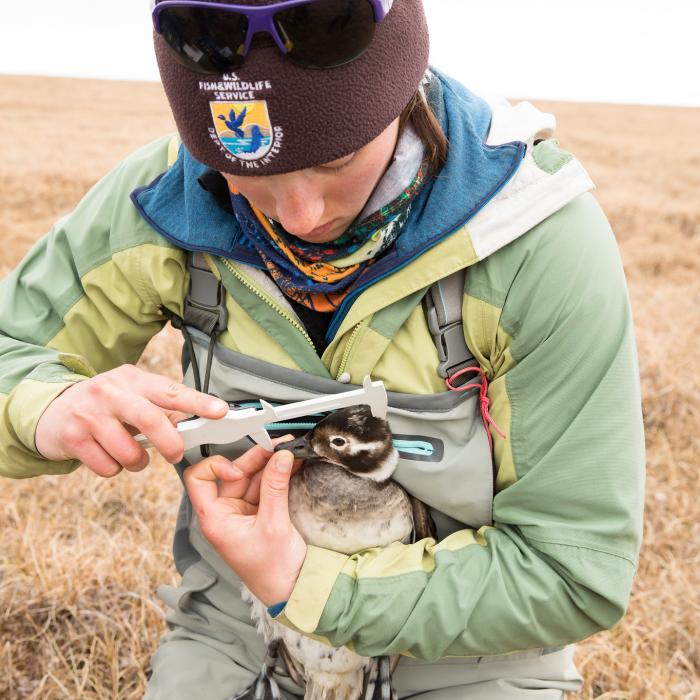
El Plan no se basa en suposiciones. Cada actualización se apoya en la mejor ciencia disponible, encuestas a profesionales de las aves acuáticas y las aportaciones de cazadores, observadores de aves, agricultores y el público de las tres naciones. Así es como un marco firmado en 1986 sigue siendo relevante y eficaz hoy en día.
