
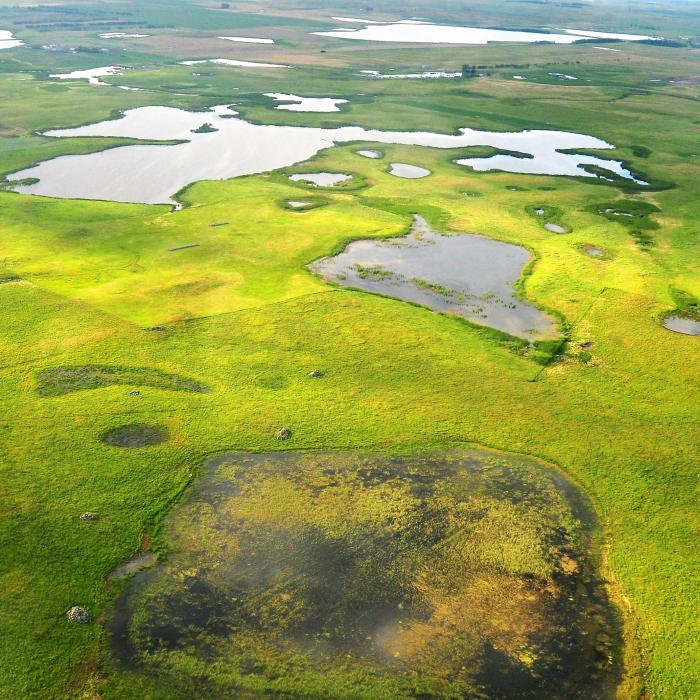
Joint Ventures are the regional partnerships that inform and translate NAWMP's continental goals into on-the-ground conservation. Established in 1986 alongside the original Plan, Joint Ventures bring together federal agencies, state and provincial governments, NGOs, private landowners, and local communities to deliver habitat conservation at the scale and geography that waterfowl require. Today, 22 habitat Joint Ventures and three species Joint Ventures operate across the United States, Canada, and Mexico.
Roles & Responsibilities
Where the Plan Meets the Land
Joint Ventures bring together federal agencies, state and provincial governments, NGOs, landowners, indigenous partners, and other local partners to deliver habitat conservation at the regional scale. Each Joint Venture applies shared science and planning frameworks to its specific geography.
- Coordinate conservation across regions by connecting federal, state, provincial, and local partners around shared waterfowl and wetland objectives
- Apply shared biological planning frameworks to translate continental NAWMP population goals into habitat objectives at the regional and local scale
- Deliver habitat conservation on the ground through protection, restoration, and enhancement of wetlands and associated upland habitats in priority landscapes
- Contribute to continental NAWMP goals by reporting progress, sharing science, and ensuring regional efforts align with the Plan's three fundamental objectives
On-the-ground conservation
Explore the Network
Select any region on the map to explore Habitat Joint Ventures, or click the icons to learn more about the three Species Joint Ventures.

In the high desert of Southern Oregon and Northeastern California, flood-irrigated grass-hay meadows are among the most important spring migration habitats in North America — and they only exist because ranchers keep them that way. The Intermountain West Joint Venture built trust with agricultural producers over two decades, turning landowners into long-term conservation partners. This is NAWMP's people objective in practice.
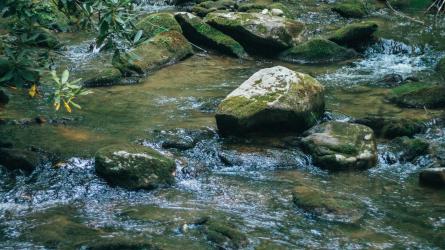
The Appalachian Mountains Joint Venture spans the mountain ranges from southern New York to northern Georgia, covering forested and wetland habitats across eight states. This rugged landscape supports migratory birds across both the Atlantic and Mississippi Flyways.
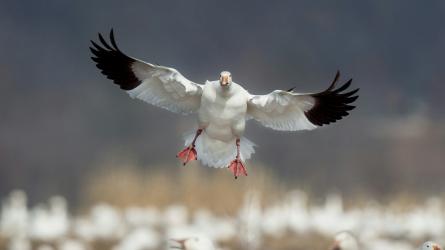
The Arctic Goose Joint Venture coordinates research and monitoring for seven species, including Snow Goose, Ross's Goose, Greater White-fronted Goose, and Brant, across 24 populations that breed in the Arctic and migrate throughout North America. It is the primary continental forum for science and management of arctic-nesting goose populations.
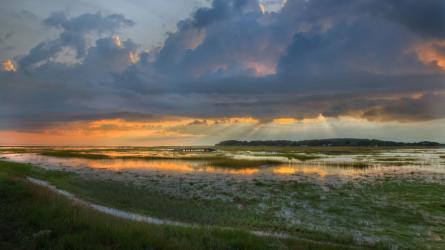
The Atlantic Coast Joint Venture stretches along the eastern seaboard from Maine to Florida, encompassing coastal marshes, estuaries, and wetlands critical for waterfowl migration and wintering. It supports some of the highest concentrations of wintering waterfowl on the continent.
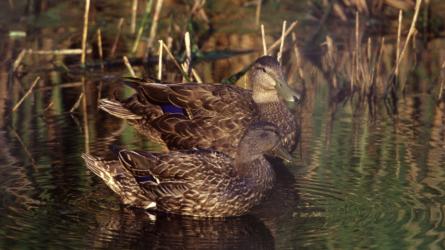
The Black Duck Joint Venture focuses on the American Black Duck, one of the most important and closely monitored waterfowl species in eastern North America. The Black Duck was once the most harvested duck in the East. The Joint Venture coordinates research, habitat conservation, and adaptive management across the species' range from the Atlantic Coast to the Great Lakes.
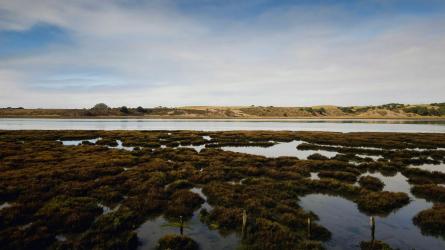
The California Central Coast Joint Venture fills the last remaining gap in U.S. Joint Venture coverage along California's central coastline. Spanning nine counties from the Santa Cruz Mountains to the Ventura coast, the region supports coastal wetlands, oak woodlands, and Pacific Flyway migratory corridors across one of North America's most ecologically diverse landscapes.
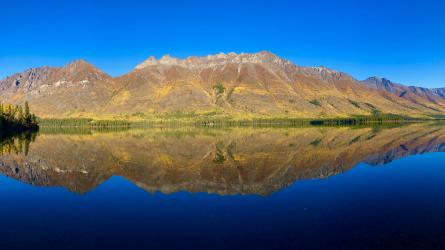
The Canadian Intermountain Joint Venture covers central and southern British Columbia and the Rocky Mountains of western Alberta. This region provides important breeding and migration habitat connecting Pacific Coast and interior waterfowl populations.
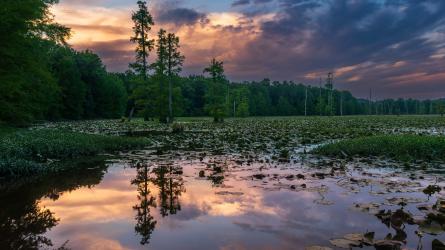
The Central Hardwoods Joint Venture encompasses forested river bottoms and wetlands across parts of Missouri, Illinois, Indiana, Kentucky, Arkansas, Tennessee, and Alabama. It provides critical migratory and wintering habitat along the Mississippi and Ohio River corridors.
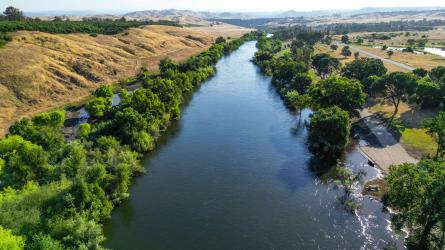
The Central Valley Joint Venture focuses on California's Central Valley, one of the most important waterfowl wintering areas in North America. The region supports millions of migratory ducks and geese each winter despite significant historical wetland loss.
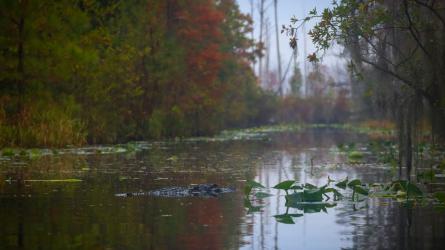
The East Gulf Coastal Plain Joint Venture covers the coastal plain and interior wetlands of Mississippi, Alabama, Georgia, Florida, and the Carolinas, extending into western Tennessee and Kentucky. It provides critical wintering, breeding, and migratory habitat across the southeastern United States.
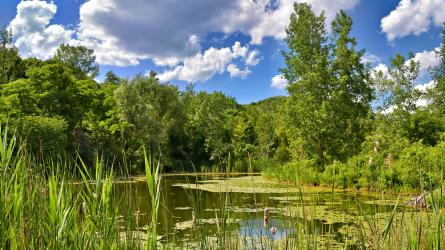
The Eastern Habitat Joint Venture spans all of Ontario, Quebec, and the Atlantic provinces of Canada. It supports a significant proportion of the continental American Black Duck population as well as breeding habitat for numerous other priority waterfowl species.
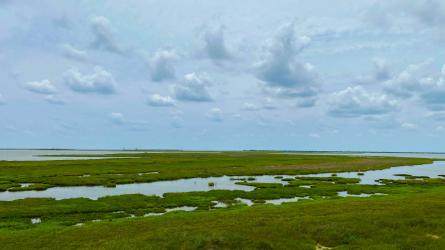
The Gulf Coast Joint Venture covers a narrow coastal strip along the Texas and Louisiana shoreline, with small areas in Mississippi and Alabama. This highly productive coastal marsh system is among the most important wintering waterfowl habitats in North America.
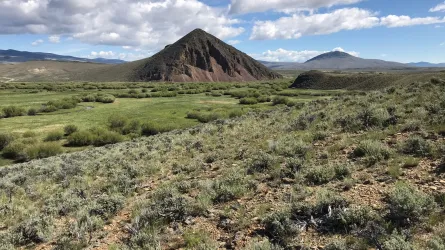
The Intermountain West Joint Venture encompasses semi-arid basins and wetlands across eastern Washington, Oregon, Idaho, Nevada, Utah, and surrounding states. It is one of the most diverse waterfowl habitats in the West, supporting both breeding and migratory populations.
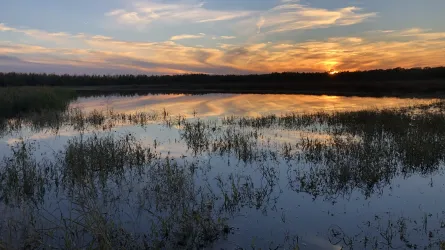
The Lower Mississippi Valley Joint Venture covers the floodplains and bottomland hardwoods of the Mississippi Alluvial Valley across parts of Arkansas, Louisiana, Mississippi, Missouri, and Tennessee. It is among the most important wintering waterfowl areas in North America.
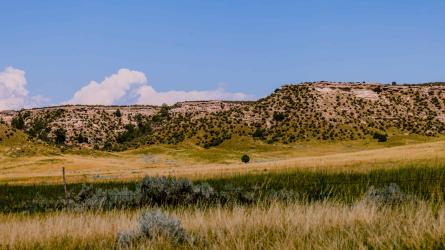
The Northern Great Plains Joint Venture covers southeastern Montana, southwestern North Dakota, northeastern Wyoming, and western South Dakota. This grassland and wetland landscape is critical nesting and brood-rearing habitat for several priority waterfowl species.

The Oaks and Prairies Joint Venture covers central Oklahoma and eastern Texas, a transitional landscape between the eastern forests and western prairies. It provides important migratory stopover and wintering habitat for waterfowl moving through the Central Flyway.
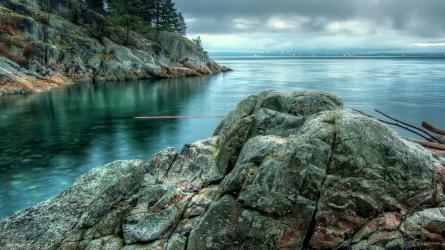
The Pacific Birds Habitat Joint Venture spans Alaska, coastal British Columbia, Washington, Oregon, and northern California. It encompasses some of the most productive coastal and estuarine habitats on the continent for migratory and wintering waterbirds.
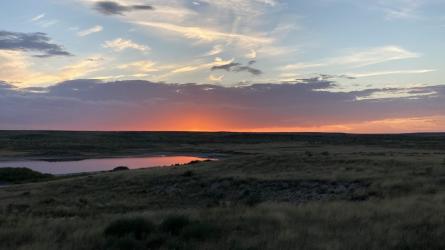
The Playa Lakes Joint Venture covers the Southern Great Plains across parts of western Nebraska, Colorado, Kansas, New Mexico, Oklahoma, and Texas. The millions of shallow playa wetlands in this region are the primary source of water for migratory waterfowl moving through the Central Flyway.
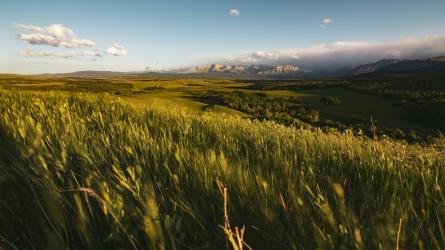
The Prairie Habitat Joint Venture covers the prairies and parklands of Alberta, Saskatchewan, and Manitoba. This landscape is among the most productive waterfowl breeding areas in the world, supporting over half of North America's mid-continent ducks.
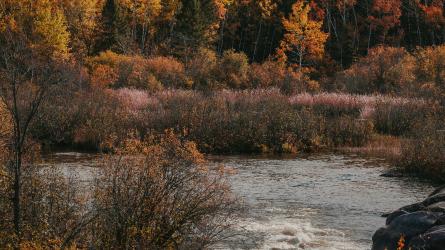
The Prairie Habitat Joint Venture's Western Boreal Forest program spans the boreal forests and wetlands of northern Alberta, Saskatchewan, and Manitoba, portions of British Columbia, the Yukon, and the Northwest Territories. This vast northern landscape provides critical breeding habitat for numerous waterfowl species.
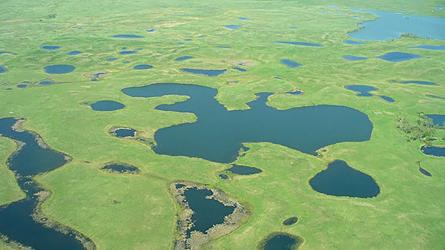
The Prairie Pothole Joint Venture covers the heart of the prairie pothole region across northern Montana, North Dakota, South Dakota, and Minnesota. Producing a disproportionate share of continental waterfowl annually, this region is often called the duck factory of North America.
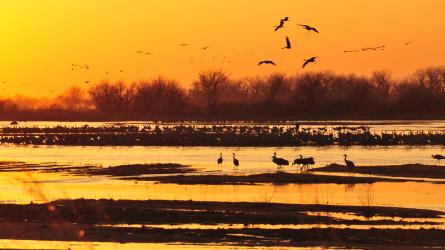
The Rainwater Basin Joint Venture covers a compact area of central Nebraska, home to thousands of shallow wetland basins that serve as a critical spring migration staging area. Millions of waterfowl and shorebirds concentrate here each spring during northward migration.
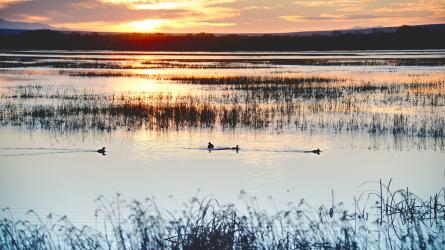
The Rio Grande Joint Venture covers the Rio Grande/Río Bravo watershed across west Texas, southern New Mexico, and the northern Mexican states of Chihuahua and Coahuila. This binational region provides important wintering and migratory habitat for waterfowl moving through the Central Flyway, linking desert wetlands and riparian corridors across the Mexican border.
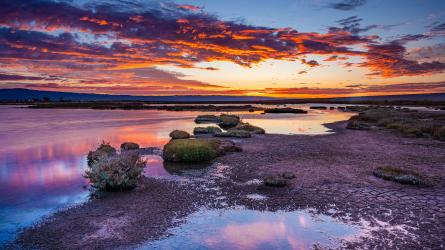
The San Francisco Bay Joint Venture focuses on the tidal marshes and wetlands surrounding San Francisco Bay, one of the most ecologically significant estuaries in North America. Despite the loss of roughly 85% of its historic tidal marsh, restored wetlands here support large concentrations of wintering waterfowl and shorebirds along the Pacific Flyway.
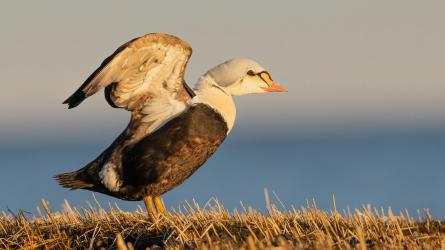
The Sea Duck Joint Venture coordinates research, monitoring, and conservation for sea ducks that breed across the Arctic and winter along the Atlantic and Pacific coasts and Great Lakes of North America. It addresses the unique challenges of conserving species that spend much of their lives in marine and coastal environments.
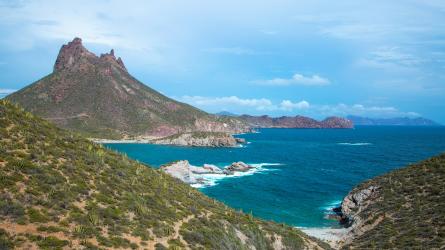
The Sonoran Joint Venture covers southern Arizona, southern California, and the northwestern Mexican states of Sonora, Baja California, and Baja California Sur. From the Colorado River delta to desert playas and riparian corridors, this binational landscape provides critical wintering and migratory habitat for waterfowl moving through both the Pacific and Central flyways.
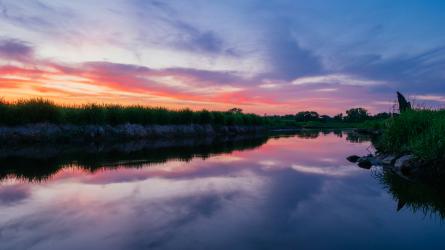
The Upper Mississippi River / Great Lakes Joint Venture spans the Great Lakes basin and Upper Mississippi River corridor, covering Minnesota, Wisconsin, Michigan, Iowa, Illinois, Indiana, and Ohio. Home to nearly 20% of the U.S. population, this heavily developed yet ecologically vital region supports significant populations of breeding, migratory, and wintering waterfowl across its wetlands, lakes, and river systems.
