
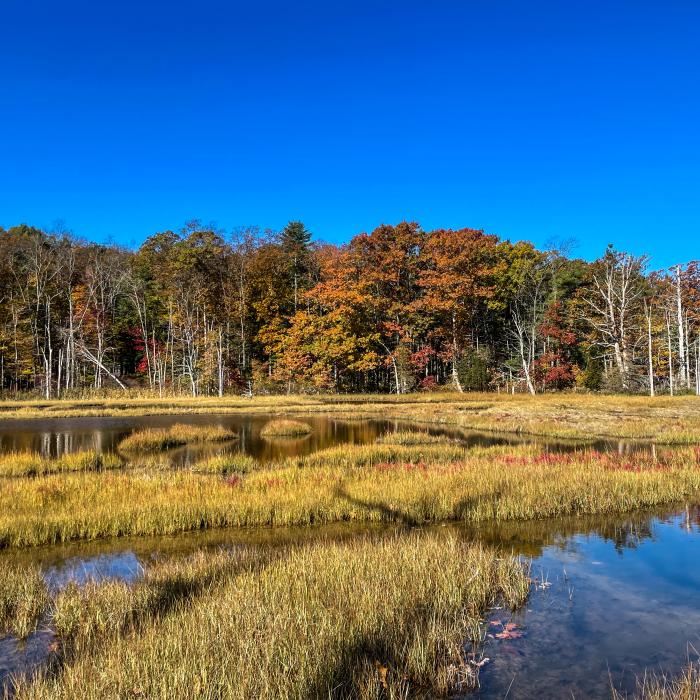
The North American Wetlands Conservation Act is a federal law passed by Congress in 1989 that provides grants to protect, restore, and enhance wetland habitats critical for migratory birds across the United States, Canada, and Mexico. NAWCA is a primary funding mechanism for projects aligned with the goals of the NAWMP and other continental bird conservation plans. To understand the vision that drives this work, explore the Plan.
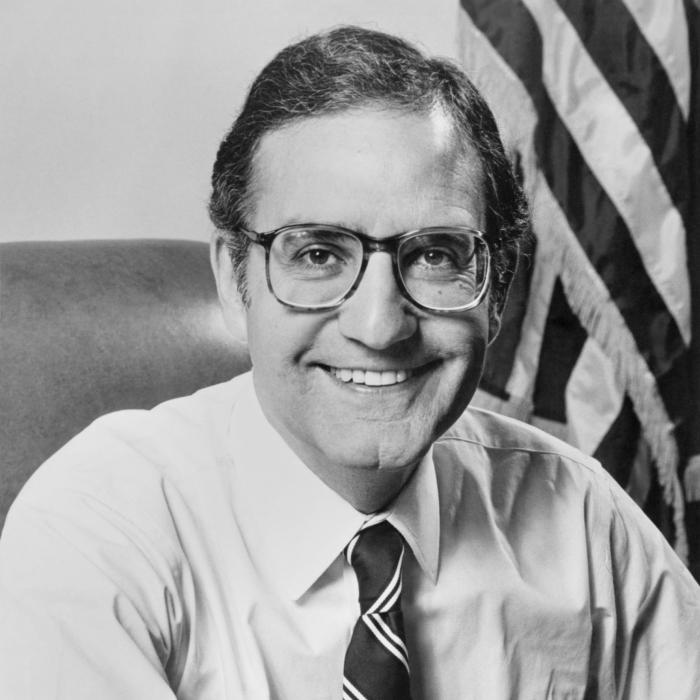
As the 1986 NAWMP began to take shape, it became clear that a dedicated funding source was essential to turn the plan's vision into on-the-ground conservation. Former Senate Majority Leader George Mitchell introduced NAWCA on April 17, 1989, and within eight months President George H.W. Bush had signed it into law. The act established a cost-sharing program funded through congressional appropriations, Migratory Bird Treaty Act fines and penalties, and interest on unallocated Pittman-Robertson Wildlife Restoration Act funds, ensuring sustained international support for wetland conservation.

Roles & Responsibilities
Four Ways to Fund Conservation
NAWCA administers four competitive grant programs open to public agencies and private organizations working to protect, restore, and enhance wetland habitats for migratory birds. All programs require a 1:1 non-federal match. In practice, this means:
- U.S. Small Grants — Up to $250,000 per project; once-a-year cycle
- U.S. Standard Grants — Up to $3,000,000 per project; twice-yearly cycle
- Canadian Standard Grants — No grant maximum; once-a-year cycle, minimum 50% U.S. non-federal match
- Mexico Standard Grants — Up to $1,000,000 per project; once-a-year cycle
Connect
Contact NAWCA
- For NAWCC member information visit: fws.gov/partner/north-american-wetlands-conservation-council
