Webinar Overview
PARTICIPANTS
Howie Harshaw, Ph.D.
University of Alberta
Katie Sainsbury, Ph.D.
University of Alberta
Carly Sponarski
Canadian Forest Service
Dean Smith
AFWA
OVERVIEW
Part 1 of a two-part series.
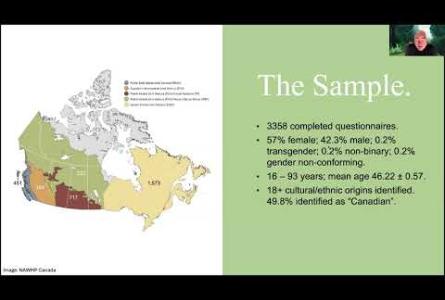
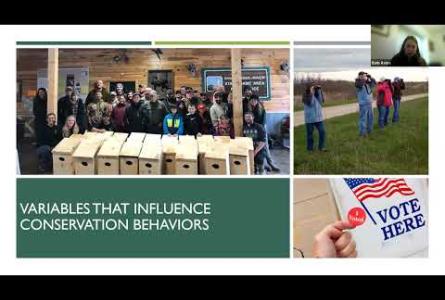
We surveyed Canadians in November–December 2022 (n = 3358) to better understand their attitudes, beliefs, and preferences about waterfowl and wetlands to support decision-making. To explore Canadians' perspectives about wetland habitats, we adapted Manfredo et al.'s (2009) Wildlife Value Orientations scale to reflect people's value orientations towards wetlands. Value orientations represent basic beliefs that give meaning to fundamental values (Fulton et al. 1996, Manfredo et al. 2009), and can shape different attitudes and behaviours. We specified, tested, and compared four different models of respondents' value orientations. The model that included the four habitat value orientation dimensions performed the best. Half of respondents were classified as mutualists, 26% were pluralists, 14% were distanced, and 11% were traditionalists. We explore how these value orientation groups differ in their attitudes about bird habitats and demographic characteristics.